
Cracked Flue Tiles After a Chimney Fire: How to Evaluate the Next Step
Cracked flue tiles in a tall Connecticut chimney? Document the full route and possible fire damage before comp…
Wood systems & venting
A stuck damper in a Connecticut fireplace can cause smoke or drafts. Identify the appliance and damper type before repairing a tall chimney top.
Call 475-270-6677
A fireplace damper is easy to overlook until the handle will not move or smoke enters the room. In a typical open wood-burning fireplace, the damper controls an opening in the vent path. It needs to be in the proper open position before a fire is lit and stay open while combustion products and hot ashes remain. A handle that feels loose, moves without changing the opening, or is frozen in place deserves evaluation before the next fire.
There are different damper designs and different reasons one may not operate. A throat damper is located above the firebox; a top-mounted damper sits at the chimney top and may be controlled from below. A gas-log installation may have its own damper requirements. Do not assume a new handle, a squirt of lubricant, or a cap on the roof is the answer without identifying the actual system.
Describe the fireplace before describing the handle. Is it an open masonry wood fireplace, a prefabricated wood unit, a gas-log set, or an insert installed in an older opening? Some appliances use a dedicated vent arrangement and do not operate like a traditional open hearth. The manufacturer’s instructions and the existing installation determine what should move and how.
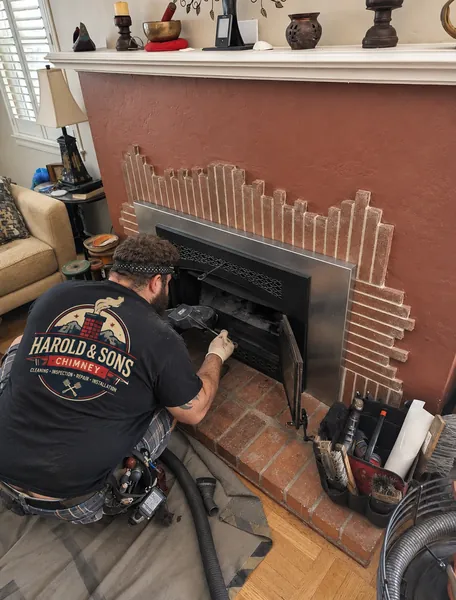
If the unit is cold, you may be able to see a lever or chain from the room without reaching into the flue. Note whether it has always been difficult or changed recently. Do not force it hard enough to damage masonry or components. Photograph the control and any label on the fireplace if safely accessible. A technician can identify the damper and its linkage when evaluating damper repair.
Tell the company about smoke, odors, water, or debris as well. A stuck damper may be one symptom of a larger chimney issue. For example, water entering through a damaged crown or cap can corrode metal parts, while deposits and fallen material can impede movement. Replacing a handle without addressing the cause could leave the homeowner with the same trouble later.
If you cannot confirm the damper is open, do not light a wood fire. The U.S. Consumer Product Safety Commission advises opening the fireplace damper before lighting and leaving it open until ashes are cool. Smoke and combustion products need a proper route out of the house. Guessing that the damper is “probably open enough” because the lever moved is not a good test.
A technician may look for a mechanical obstruction, corrosion, a bent plate, damaged linkage, deposits, or a problem in the adjacent smoke chamber. The scope can range from adjustment or localized work to a different damper design, depending on condition. Ask the professional to demonstrate how the opening should operate after the repair and whether other parts of the vent need assessment.
If smoke already entered the room, stop using the fireplace and mention it. The damper may be relevant, but draft, blockage, fuel, or house pressure could also matter. A smoke and draft inspection should not end with the assumption that one handle explains every smoke complaint.
A damper that remains open after the fireplace is completely cold may allow outside air, odors, or animals to affect the house. Homeowners sometimes ask whether a top-mounted damper would reduce downdrafts or odors. The Chimney Safety Institute of America discusses top-mounted dampers as one option for reducing airflow down a chimney, but the right solution depends on the fireplace, cap, and existing venting arrangement.
Do not close a damper to stop an odor while embers or ashes are still hot. A slow, smoldering fire can continue producing combustion products after the visible flames end. If an odor is persistent, investigate its source, including moisture, deposits, or an animal issue, rather than masking it with a tighter seal alone.
If the damper no longer seals because parts are warped or missing, ask whether the current design can be repaired and what a replacement would change. A top-mounted option may include a cable or other operating method from the firebox. The installer should explain its use in simple terms to everyone in the household.
The damper sits within a larger system. A repair visit should at least consider whether the flue is clear enough to evaluate and whether a known defect elsewhere affects safe operation. If the homeowner has not used the fireplace in years, a broader chimney inspection may be appropriate before lighting it, even if the damper starts moving again.
Ask for photographs of any damage or corrosion that supports the recommended work. If a technician proposes a top-mounted replacement, ask how it fits with the existing cap and flue openings. If gas logs are installed, ask how the appliance’s specific instructions affect damper use. A one-size-fits-all answer can be unsafe for a model-specific gas system.
The completed job should include a clear demonstration: where the control is, what open and closed look like, how to tell the damper is actually moving, and when it may be closed after use. Written notes or a simple diagram can be more helpful than technical product language.
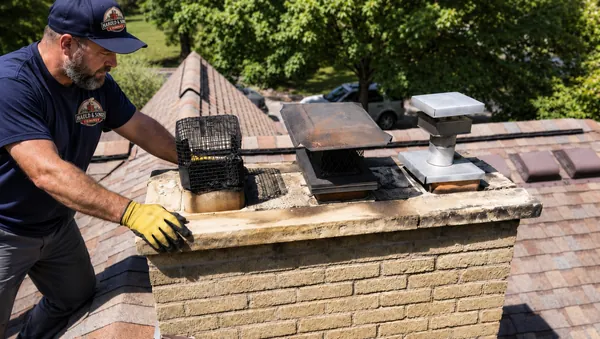
The metal plate above a traditional firebox is commonly called a throat damper. A top-sealing damper is installed at the chimney top and controlled by a cable or mechanism from the room. Both can open and close a path, but they have different fittings, access, inspection, and compatibility questions. If someone proposes a top-sealing unit because the existing plate is warped, ask whether the original opening and smoke chamber remain accessible for maintenance and whether the top assembly suits the chimney cap and flue. If the system serves a gas appliance or has gas logs, its damper requirements need model-specific review before anyone changes it.
A homeowner may see the damper handle move and assume the plate opened. Ask a technician to verify the actual position from the firebox and, where appropriate, the vent path. Debris can prevent full travel; a loose linkage can move without moving the plate. For a damper that will not close, first identify whether the system is supposed to remain open for the installed fuel equipment. A repair to stop room drafts must never compromise required venting.
Tell the company whether the handle is jammed, the plate moves partly, cold air enters, rain drips, or smoke spills during a fire. Record when the problem began: after a sweep, a chimney leak, an animal visit, or years of disuse. The professional can inspect the mechanism and adjacent smoke chamber, then explain whether cleaning, a component repair, or a different damper arrangement is appropriate. Do not force the handle with a long pry bar; a broken linkage or displaced plate can make diagnosis harder and may leave fragments in the vent.
Ask the proposal to state what will be removed, what remains in the chimney, how the new or repaired mechanism will be operated, and how future sweeping will be possible. Request a demonstration before the technician leaves and keep instructions where anyone using the fireplace can find them. A convenient seal is only useful when everyone knows to open it before a fire.
If the damper repair also involves a new cap, ask which mechanism provides the seal and which component keeps animals and rain out. These functions may share a top assembly but should be identified separately. A future sweep needs to know how to open and access the flue.
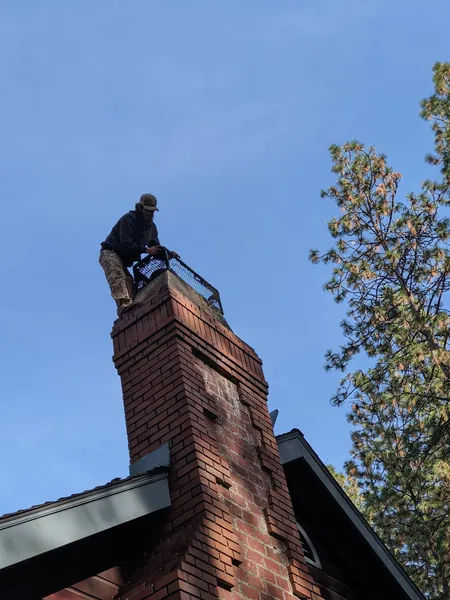
A damper that leaks in a New Haven or Wethersfield house may make a room feel drafty in winter, but a draft alone does not tell you whether the throat plate is bent, a top-sealing mechanism has failed, or another passage in a multi-flue stack is open. Identify the fireplace and any gas equipment before proposing a tighter seal. If a new top damper is considered, the contractor must evaluate the chimney's cap and termination and explain safe access on a high or steep roof. Ask for an operating demonstration and clear instructions for every person who may light the fireplace. A draft repair should make the system understandable, not leave the next owner guessing which handle opens the vent.
Can I light a small fire if the damper is partly open? Do not use an open wood fireplace unless the damper is in its proper operating position. Have a stuck or uncertain damper evaluated.
Why did the damper seize after a leak? Water can corrode metal, but the actual cause needs inspection. Repairing water entry may be as important as restoring the moving part.
Is a top-mounted damper a chimney cap? Some assemblies combine functions, but the components and operation depend on the product. Ask how the proposed unit closes, sheds water, and fits the existing chimney.
Will a new damper fix a smoky fireplace? Only if the damper problem is responsible for the symptom. Blockages, vent configuration, fuel, and house pressure can also matter.
Can a damper be left open all winter? The safe position during and after a fire is dictated by use and manufacturer guidance. If you have a persistent draft or odor problem when the system is idle, ask about an appropriate repair rather than improvising a position.
Harold & Sons Chimney serves New Haven and towns from Stamford to Hartford. If your fireplace damper does not move or you cannot tell whether it opened, do not use the fireplace until it has been checked. Call 475-270-6677 or use the form below with a photo of the control and a description of what changed.
If this sounds like your situation, these pages explain the work involved.
Keep reading
Cracked flue tiles in a tall Connecticut chimney? Document the full route and possible fire damage before comp…

A basement wood furnace and two-story Connecticut chimney need more than an outlet measurement. Learn what a c…

Noise in a sealed Connecticut fireplace? Learn how to describe the sound, locate safe access, and check a high…
Chimney season is here
Tell us what you’ve seen — a stain, a smell, smoke in the room, or just a flue that hasn’t been checked in years. We start with the problem, not a sales pitch.
475-270-6677