Gas & Electric
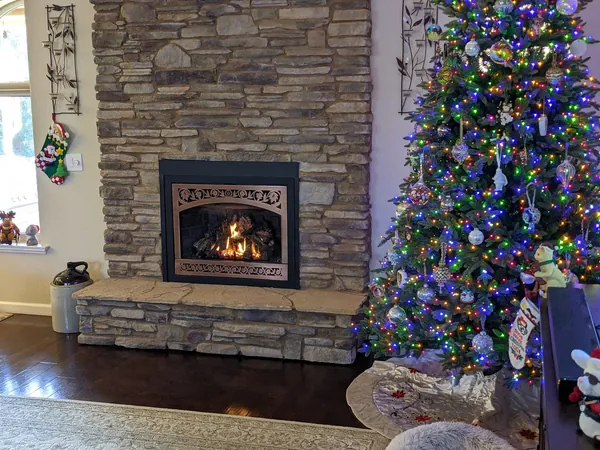
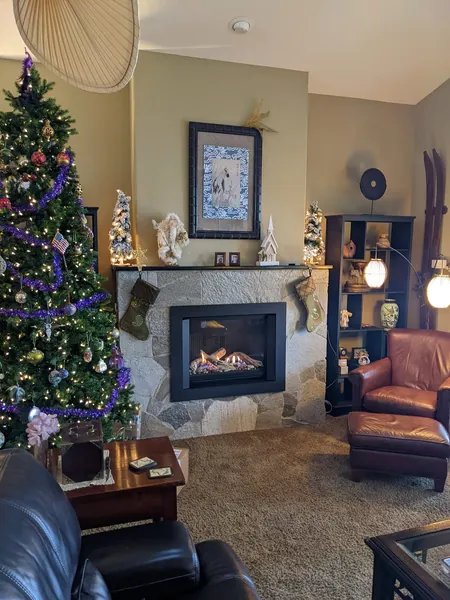
Wood-to-Gas Fireplace Conversion
Trading wood fires for the convenience of gas is a popular change, but the existing fireplace and the proposed gas appliance both need checking before the conversion.

Two systems to assess
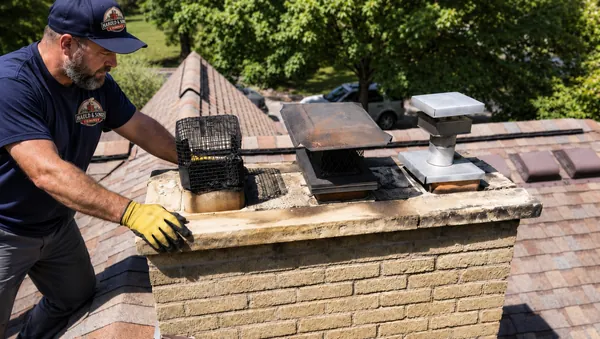
A conversion is not just dropping in a burner. The existing chimney and firebox have to be sound and suited to the new appliance, and the gas appliance, whether logs, an insert, or a built-in unit, has its own venting and supply requirements. Both sides are assessed so they work together.
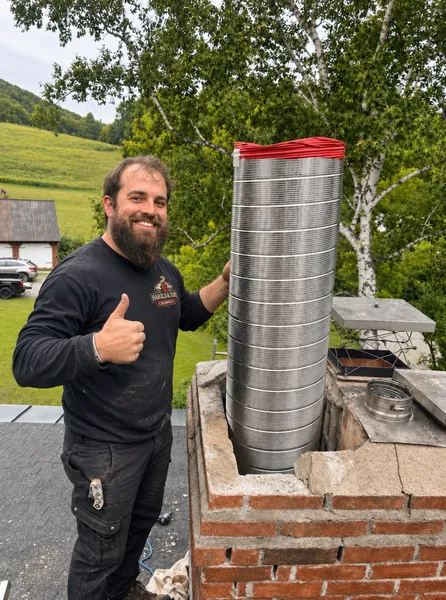
A chimney that was fine for wood is not automatically ready for a gas appliance; venting requirements differ, and sometimes a liner sized for the new appliance is part of the plan.
Checked before use, with qualified gas work
Gas connection is handled by the appropriate qualified trade, and the system is evaluated before first use. We explain what the conversion involves for your specific fireplace rather than assuming one approach fits every home.
A conversion reviews
- The condition of the existing firebox and chimney
- Venting requirements for the new gas appliance
- Whether a compatible liner is needed
- Gas supply, by qualified trade
Common questions
Is my chimney ready for gas?
Not automatically. Venting requirements differ from wood, so the existing system is assessed first.
Logs, insert, or built-in for the conversion?
It depends on your goals and the fireplace. We compare the options after assessing the system.
Who handles the gas line?
The appropriate qualified trade, coordinated as part of the conversion plan.
Related chimney & fireplace services
Other work homeowners often ask about alongside this service.
Get started
Request a visit for wood-to-gas conversion
Tell us what you’ve noticed. Name, phone, and ZIP are all that’s required.