
Wood Furnace Chimney Liner: Why a 6-Inch Connection Is Not a Complete Quote
A basement wood furnace and two-story Connecticut chimney need more than an outlet measurement. Learn what a c…
Wood systems & venting
Cracked flue tiles in a tall Connecticut chimney? Document the full route and possible fire damage before comparing repair, relining, or an insert.
Call 475-270-6677
A homeowner hears that flue tiles are cracked after a chimney cleaning. The technician believes a prior chimney fire may have damaged them. Now the homeowner wants to know whether to repair the liner or install a wood-burning insert. It is a sensible question, but those choices cannot be compared until someone understands the whole venting system and the extent of the damage.
Clay tiles form a liner inside many masonry chimneys. A crack may affect a single area or be part of wider deterioration. A chimney fire can expose components to extreme heat and damage tiles, joints, metal parts, and surrounding masonry. The Chimney Safety Institute of America specifically identifies cracked or collapsed flue tiles as possible signs of a chimney fire. The presence of a crack does not, by itself, prove when or why it occurred. It does mean the fireplace should not be used until a qualified evaluation explains the condition and next step.
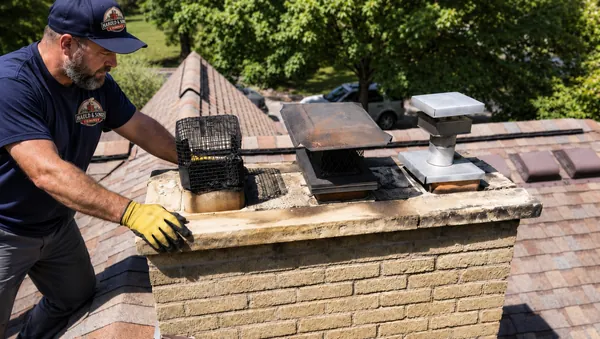
Ask the sweep to show photographs and point out where the cracked material was seen. Was it a tile face, a joint between tiles, a fallen piece in the firebox, or material found during cleaning? Were there other signs such as unusually puffy deposits, a distorted cap, or heat-damaged components? A verbal statement that “the liner is bad” may be directionally important, but it does not describe the scope needed for a repair decision.
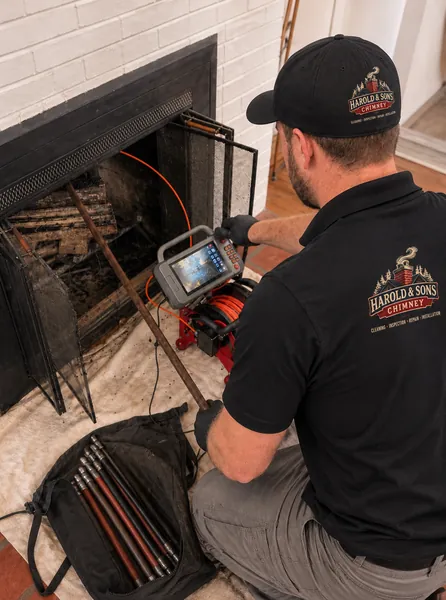
The inspection should identify the appliance connected to the flue, the liner material, the accessible exterior condition, and any areas a camera could not see. If deposits obscure the surface, cleaning may be needed before a useful scan. If an inspection level calls for a video examination of the flue, ask whether the report covers its full accessible length and whether the chimney contains additional flues for other appliances.
Do not test the fireplace with a small fire to see whether it still draws. Drafting smoke upward does not prove that heat and combustion products are contained where they should be. If a chimney fire occurred recently or is occurring now, emergency response is the priority. If the fire is over and damage is suspected, keep the system out of use until a professional has evaluated it.
Tell the inspector what you know about prior use: years of wood burning, an older insert, a furnace that was once connected, or a recent smoky episode. You may not know whether a chimney fire actually happened. That uncertainty is normal. Avoid turning a tentative history into a definite claim on a future real-estate disclosure or estimate. The technician should base the current work on observed condition and applicable requirements.
If a previous owner installed an insert or stove, locate the manual or model plate if it can be read safely. An insert may need a liner appropriate to its manufacturer instructions and the chimney. A proposal to “just connect it to the old tile” or “use the existing flue because it looks wide enough” is not a substitute for evaluating compatibility. The appliance and the vent operate together.
Water may also be relevant. A cracked liner can coexist with crown, cap, or masonry problems that allowed moisture into the chimney. Repairing only the inside while leaving active exterior water damage could set up a new problem. Conversely, a new cap will not repair a cracked flue tile. A comprehensive chimney inspection looks at the system as a whole.
There is no universal answer based on the word “crack.” The appropriate options depend on the liner type, damage location and extent, chimney construction, connected appliance, and the methods permitted for that installation. A localized repair might be possible in some cases. In others, chimney liner repair or relining may be more appropriate. Serious structural damage can change the scope further. The inspector should explain what the evidence supports instead of offering three interchangeable prices.
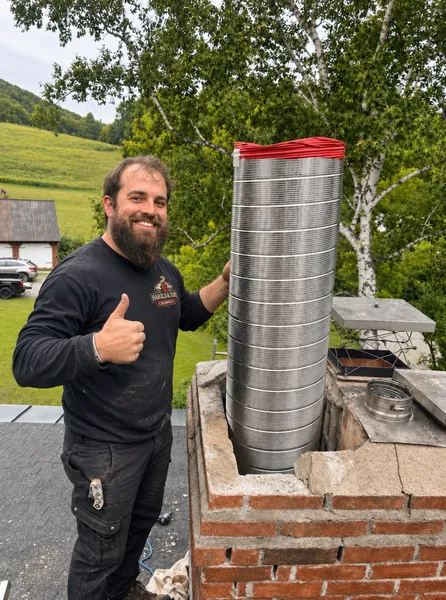
If a new liner is proposed, ask what material and size are recommended, how the appliance's requirements were considered, and what will happen to the old liner or existing connection. Ask how the recommendation addresses both the damaged section and any other defects found. A good written proposal names the appliance, flue, liner product or specification as appropriate, installation work, and any related masonry repairs.
If the proposal is to rebuild part of the chimney, ask exactly which masonry is damaged and whether that work is needed to correct structure, water entry, or venting. “Rebuild” can describe a small upper section or much larger work. The word alone says little about why the job is necessary. Photographs and a precise scope matter.
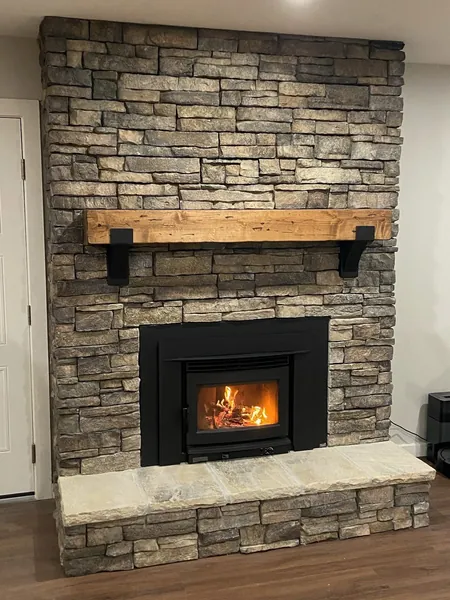
An insert changes how the fireplace is used; it is not a magic cover for an unsafe chimney. A properly selected and installed insert still requires a suitable venting system and evaluation of the existing structure. It may be a good choice for someone who wants a different heating experience or a new appliance, but it should be compared with liner and fireplace repairs on those terms. Fireplace insert installation and flue repair are related decisions, not substitutes for knowing what is damaged.
Ask whether the installer has evaluated the opening dimensions, hearth, clearances, vent route, and the appliance manufacturer's instructions. In Connecticut, wood-burning appliance installations are subject to local building-department permit and inspection requirements according to the state environmental agency. The contractor should identify the permit path for the town and the specific work proposed. Do not accept a generic “no permit needed anywhere” answer.
If you only want to keep the current open fireplace, say so. The recommendation should be built around the condition found and your goals. If you want a new insert, say that too, but still ask for a separate explanation of the existing damage. Otherwise it is difficult to tell whether you are buying a desired upgrade, a required repair, or both.
Ask for a report that distinguishes observations, inaccessible areas, and recommendations. Photos should show locations, not only a close-up without context. The estimate should identify the system that must remain out of use, the proposed corrective work, and how completion will be checked. If another qualified trade is needed for an appliance or roof component, ask how the work will be coordinated.
Keep the sweep's first report even if you seek another opinion. It gives the next professional a starting point. A second opinion is most helpful when it reviews the same evidence and explains any disagreement about the scope, not when two companies quote different products without first agreeing on what condition they found.
Ask the inspector to separate what is visible inside the flue from what can be inferred about surrounding masonry and nearby building materials. If the camera shows a vertical crack in one tile, a quote for a full rebuild should explain why lesser repair options are unsuitable; a quote for a liner should explain how it addresses the observed damage and the chosen appliance. If a chimney fire was reported to a fire department, keep any incident record with the inspection. If the event is only suspected, say so rather than presenting it as confirmed. Do not authorize a new insert merely to get the fireplace working while questions about the chimney structure remain. Compare the scope, vent design, access, permits, and subsequent inspection for each option.
Treat the written report as the starting point for comparing repair scopes.
In a Meriden or Waterbury house with a tall masonry stack, a cracked tile seen near the fireplace opening does not tell you what the flue looks like several floors higher. Ask for images along the accessible length and an explanation of any section the camera could not reach. If the chimney passes an attic or serves multiple appliances in separate passages, identify which route experienced the suspected fire and which surrounding areas need inspection. The height and roof slope also affect how the top and cap are examined before a liner or rebuild is quoted. A full record makes the repair choice specific to the damaged passage rather than to an assumed “standard Connecticut chimney.”
Can a cracked tile be fixed without replacing the whole chimney? Sometimes a more limited repair may be possible; sometimes damage or appliance requirements call for a new liner or more extensive work. An on-site assessment determines the options.
Does a cracked tile prove there was a chimney fire? It can be consistent with one, especially alongside other signs, but the cause and timing may not be provable. The current condition is what the professional must evaluate.
Can I use the gas fireplace in another room? Do not assume the systems share a flue or are entirely independent. Identify each appliance and vent and ask whether the concern affects only the wood fireplace or additional systems.
Is an insert cheaper than relining? Cost depends on the appliance, installation, liner, and existing condition. An insert may still require vent work. Compare written scopes, not just headline prices.
Would a camera inspection help? It can help document visible interior surfaces and the extent of damage, within the limits of access and deposits. It should be part of a defined inspection, not the only evidence for every decision.
Harold & Sons Chimney serves homeowners from Stamford through New Haven to Hartford. If a sweep has reported cracked flue tiles or you suspect a prior chimney fire, keep the affected system out of use. Call 475-270-6677 or use the form below and share the existing report. We can discuss a scoped video chimney inspection and the options that follow from the findings.
If this sounds like your situation, these pages explain the work involved.
Keep reading
A basement wood furnace and two-story Connecticut chimney need more than an outlet measurement. Learn what a c…

Noise in a sealed Connecticut fireplace? Learn how to describe the sound, locate safe access, and check a high…

Debris in a Connecticut fireplace may be soot, mortar, tile, or nesting. Keep a sample and learn how an inspec…
Chimney season is here
Tell us what you’ve seen — a stain, a smell, smoke in the room, or just a flue that hasn’t been checked in years. We start with the problem, not a sales pitch.
475-270-6677