
Why Is My Chimney Leaking After Rain?
Rain beside a Connecticut fireplace may enter at flashing, crown, cap, or chase. Track the storm pattern and l…
Leaks & masonry
A Connecticut chimney leak returned after repair? Compare the first scope with new rain, wind, or thaw patterns before paying for another patch.
Call 475-270-6677The first repair seemed to work. Then a wind-driven storm left a dark mark above the mantel, or water showed up again in the attic around the chimney. Homeowners understandably wonder whether the contractor did poor work. Sometimes a repaired component failed; sometimes a second entry point was already present; sometimes the original stain was never allowed to dry and has been mistaken for new water. Before buying another tube of sealant or replacing the next visible part, establish what changed.
Chimney leaks are difficult because water may enter high on the structure and travel inside masonry, behind siding, along framing, or through a roof joint before it appears in the room. The visible stain is a location of discovery, not necessarily the source. The best second visit begins with the first repair's scope and a fresh timeline of the leak.
Was the cap replaced, the crown resurfaced, flashing reset, brick repointed, or the chase cover changed? Find the estimate, photos, and invoice. “Waterproofed chimney” may refer to a treatment of exterior masonry, but it does not necessarily include flashing or the top of the flue. “Sealed roof” may refer to an exposed seam rather than the complete chimney-to-roof assembly.
Ask what the contractor observed originally and whether the repair was intended to eliminate all water entry or only a documented defect. A warranty may cover the completed work but not an unrelated entry point; the written scope helps clarify the discussion. Be specific and fair when calling back. Describe where new water appeared, when it appeared, and how it differs from the old pattern.
If the leak returned immediately after the same kind of rain, the first repair or diagnosis deserves direct review. If months passed and a different wall became wet after a different storm direction, another path is plausible. Neither conclusion can be made from timing alone, but the timing directs the inspection.
Record the date, rainfall, wind direction if known, and where moisture appeared. A stain after prolonged steady rain may point to a different mechanism from one appearing only in short storms driven from a particular direction. Does the area become wet during snowmelt? Are there drips inside the firebox or only at an attic joist?
Photograph the stain at the same angle each time and note its boundaries with a removable mark on adjacent paper or a dated photo. An old stain can remain discolored after the source is fixed. New dampness, spreading edges, or an increase after a storm are better evidence of continuing water entry.
If you can safely view the attic or room-side surfaces without disturbing wiring, insulation, or damaged material, note where the damp area begins. Do not climb onto a roof or remove chimney parts. The professional can use your photos to decide which access and trades the visit requires.
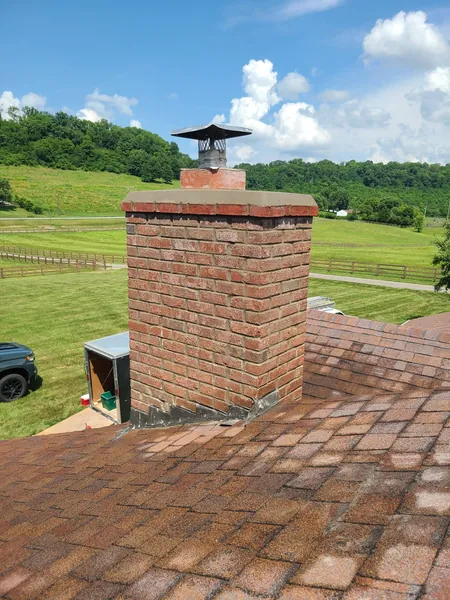
At the top of masonry, the cap and crown have separate jobs. The cap helps keep rain and animals out of the flue opening; the crown sheds water away from the masonry top. At the roof line, flashing and counterflashing manage the junction between chimney and roofing. Mortar and brick can take up water when deteriorated. A framed chase has a different top assembly and siding or trim joints.
Replacing one component can be right and still leave another defective. Conversely, a visible crack in a crown may be present while the dominant leak enters at roof flashing. Ask the contractor to connect the observed path to the proposed repair rather than listing every possible chimney part on an estimate.
A good chimney leak repair visit may involve a chimney professional and a roofer. If the roof assembly around the chimney was recently replaced, gather the roof contractor's paperwork too. Separate the scope of roof work, masonry work, and interior restoration so neither trade assumes the other addressed an open joint.
Caulk on an exposed surface can temporarily stop water without correcting the underlying geometry, deteriorated mortar, or failed flashing detail. Coating the face of brick can also obscure where moisture is coming from if water enters elsewhere and needs to escape. Any treatment must suit the material and the identified problem.
Ask what substrate is being treated and whether damaged masonry or metal needs repair first. A waterproofing product is not a replacement for a cap, sound crown, or correctly installed roof junction. A thin coat over crumbling mortar is still sitting on crumbling mortar.
If the new proposal consists mainly of applying a product, request a plain-language explanation of the evidence. Which joint was leaking? How was it examined? What will prevent water at corners, behind trim, or at the chimney top? The answer should be more specific than “chimneys get wet.”
The professional should compare prior and current photos, document the repaired component, inspect adjacent entry points, and explain any access limitations. They may recommend staged work if multiple defects exist: fix the clearest entry path, observe the next relevant storm, and address any remaining issue with new evidence. That is more honest than guaranteeing an unseen leak is solved by a single guess.
Ask for written findings with photos of the cap, crown, masonry, flashing, chase cover, and relevant attic or room-side clues where accessible. Ask which defect is confirmed, which is suspected, and whether another trade is needed. If a water test is proposed, ask how it will be performed and how results will be interpreted; a test can reproduce an entry point but may not mimic every weather condition.
Check what happens to wet interior materials. The exterior repair stops the source, while damp framing or finish may require drying and separate restoration. A new mantel paint job should follow verification that the water source has been controlled.
Water in the firebox, pieces falling from the flue, damp or damaged appliance components, or a known liner issue warrant pausing use. A leak can affect masonry and metal over time, and a gas appliance with water exposure may need manufacturer-specific evaluation. Do not light a fire to dry the chimney from the inside.
Even if the fireplace has never been used, water can damage the house around it. The chimney is still a roof penetration and exterior structure. Address the source, not just the visual inconvenience of the stain. If an animal or nest is also reported, have the vent checked before operation.
For older New Haven area houses, several repair eras may overlap: roof replaced at one time, crown patched later, chimney repointed in selected spots. That history is useful, but do not assume a particular neighborhood or age determines the leak source. Inspect this chimney and this roof.
Send one concise message with the first invoice, dated photos before and after the repair, and the dates of new dampness. Ask the contractor to review the completed detail and explain what they can inspect under their original scope. If another trade has since worked on the roof, disclose that too. The goal is to establish the next diagnostic step, not to assign blame from a ceiling stain alone. After the visit, ask for a note stating whether the first repair remains intact and where the new entry is suspected. That record helps if a roofer or mason must take over a different part of the chimney.
Do not discard the photographs because a second contractor takes the job. A close view of an old crack or flashing joint can reveal whether it remained open after the first work, while a wider photo shows the surrounding roof. Share both with the next person so they can investigate a specific path.
If a repair in Fairfield stayed dry during gentle rain but the stain returned after a windy coastal storm, include that difference in the follow-up. If an inland Bristol chimney remained dry during rain and became wet during a thaw, mention the snow and ice history. Neither pattern identifies a failed component by itself. It tells the roofer or chimney professional which paths and surfaces to test. On a high roof, ask for photographs showing the repaired joint and the adjacent crown, flashing, chase top, or masonry that was not included in the first scope. A second estimate should state whether the original detail failed or another path appears active.
Does a stain returning prove the last repair failed? It proves there is a concern to investigate. The stain may be old, a repair may have failed, or another entry point may be active.
Should I call the original contractor? Yes. Share the invoice, dated photos, and storm pattern so they can review their work and the original scope.
Can a cap alone stop a chimney leak? It can address certain water entry at the flue opening, but it cannot repair every crown, flashing, masonry, or chase defect.
Is exterior waterproofing always necessary? No. The need depends on the material, its condition, and the diagnosed path. Repair defects before considering a compatible treatment.
How soon should I repaint the stain? Wait until the source is corrected and the area is dry; otherwise the same symptom may reappear and hide useful evidence.
Harold & Sons Chimney serves homeowners from Stamford through New Haven toward Hartford. For help reviewing a recurring leak and a prior chimney repair scope, call 475-270-6677 or use the form below. Include dates, storm photos, and the first repair description.
If this sounds like your situation, these pages explain the work involved.
Keep reading
Rain beside a Connecticut fireplace may enter at flashing, crown, cap, or chase. Track the storm pattern and l…

A cracked crown on a Connecticut masonry chimney can admit water below the top. Learn what a high-roof inspect…

Rust streaks on a Connecticut chimney chase? Learn how a metal cover protects a framed fireplace enclosure and…
Chimney season is here
Tell us what you’ve seen — a stain, a smell, smoke in the room, or just a flue that hasn’t been checked in years. We start with the problem, not a sales pitch.
475-270-6677