
Gas Fireplace Pilot Won't Stay Lit?
A gas pilot fails in your Connecticut fireplace? Identify the model and vent route, record the symptom, and le…
Gas, prefab & appliance choices
Converting a Connecticut wood fireplace to gas? Assess the masonry, old flue, selected gas model, roof termination, and local permit requirements.
Call 475-270-6677“We're changing our fireplace to gas. Can you inspect the chimney before we use it?” That question captures the right order. A conversion begins with understanding what is already in the house, then selecting a product and venting plan that fit it. Running a gas line or ordering an insert before evaluating the existing fireplace can leave a homeowner with an attractive appliance and an unresolved chimney or installation problem.
There are several ways people describe a “gas conversion.” They may mean gas logs in an existing masonry fireplace, a gas insert fitted into the opening, or a new prefabricated gas fireplace in a remodeled wall. Those are different projects. The work, venting, appearance, and required qualified trades depend on which one is chosen. Start by defining what you want the finished room to do, not just whether it will have a flame.
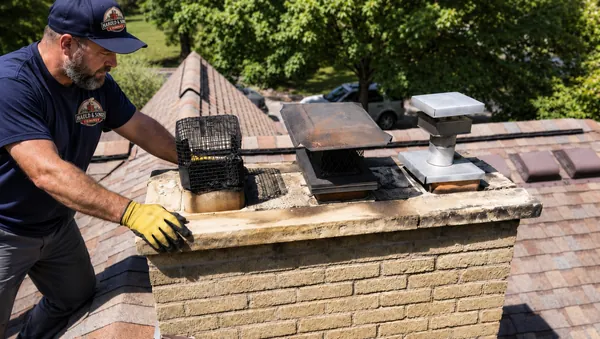
Identify whether the current fireplace is masonry or factory-built. Look for a manufacturer label on a prefabricated unit, any existing insert, a damper, and past service documents. A wood fireplace that has been unused for years may have a deteriorated liner, water entry, damaged firebox, or an unknown prior modification. A chimney inspection should record what can be evaluated and where additional access or cleaning is needed.
The surrounding structure matters too. A proposed insert needs suitable dimensions, clearances, and a vent route; decorative gas logs have different requirements. The house may already have a gas supply nearby, or it may require new work by a qualified gas trade. Electrical service may be needed for controls, fans, or ignition depending on the selected appliance. Do not assume “gas” means there is no chimney or vent question.
Ask for the model and installation manual of the appliance you are considering. Product instructions, not a generic article, determine the approved vent components and installation arrangement. A contractor should explain how those instructions fit the existing chimney and what work needs to happen before the unit is connected.
Gas logs may be installed in a compatible existing fireplace under a product-specific design. Venting and damper requirements depend on the system and the appliance's listing; a gas-log set should not be purchased solely because it fits the firebox width. The existing firebox and vent need evaluation. Ask whether the product is vented or another type and what requirements apply in your Connecticut location.
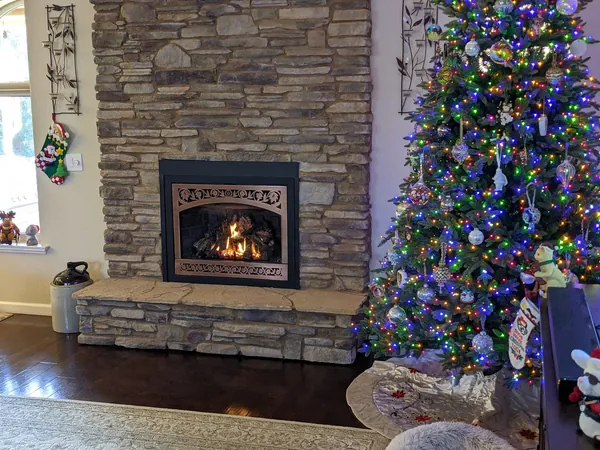
A gas insert is an appliance intended to fit within an existing opening. It typically changes the viewing area, controls, and venting approach. The chosen insert must be appropriate for the opening and installed with compatible listed components. An insert does not excuse a damaged chimney structure or allow a contractor to ignore a known water leak at the crown or flashing.
A new gas fireplace may be part of a more extensive renovation and can have a different vent route and finishing requirements. Wall construction, clearances, controls, access for service, and exterior termination location all enter the plan. A homeowner who compares prices without knowing whether each proposal includes gas work, venting, finishing, and permits is comparing different projects.
None of these options is automatically best for every house. An owner who mainly wants an easy-to-use flame may prioritize different features from an owner who wants heat during frequent winter use. The professional should translate those goals into appropriate appliance options rather than promise a particular result from a photograph of the room.
The answer depends on the conversion. Some gas products use the existing chimney in a specified way; others use a different listed vent system. Either way, the existing fireplace and structure may need assessment for suitability, moisture damage, or changes required by the appliance. A masonry chimney that once vented wood smoke can have defects that a new appliance will not repair.
If the proposed product uses a liner, ask what material and dimensions the manufacturer requires and how the existing flue will accommodate it. If the product uses a separate vent, ask what becomes of the old opening and whether other appliances share the chimney structure. Do not assume that removing a wood firebox or sealing a damper makes the old vent irrelevant.
An inspection is particularly valuable if a home-sale report flagged a problem, a previous owner used a stove, or water has entered near the fireplace. A new insert can cover a visible area while leaving a defect behind it. Ask for documentation of existing conditions before the conversion begins.
Connecticut's Department of Consumer Protection describes specific license categories for gas hearth product work, including installation, service, and repair within their defined scope. A project may also involve plumbing/gas work, electrical work, chimney work, and local building approval as applicable. Ask the company who will perform each part and who will apply for any required permit. Do not assume that one generic “fireplace technician” title covers every task.
The state environmental agency separately notes local permit and inspection requirements for wood-burning appliance installations. For a conversion, the exact permit path depends on the new product and the town. A contractor can identify the relevant building department and applicable approvals before installation. This is a practical planning question, not a detail to discover after the wall is closed.
If someone offers to bypass an appliance safety feature, use an unlisted vent arrangement, or connect gas without the appropriate qualified work, stop and ask for another plan. The goal is a fireplace that works as installed and can be maintained, not simply a burner that lights once for a demonstration.
Look for the product model, scope of existing-fireplace preparation, venting or liner components, gas and electrical responsibilities, finish work, and how the installation will be checked. Ask which parts are included in the quote and which are separate. For example, a gas insert proposal may not include masonry water repairs or replacement of an unrelated chase cover. Those items should not be hidden in a vague “conversion package.”
Discuss access after installation. A serviceable fireplace needs its rating plate, controls, and relevant components accessible under the manufacturer's instructions. Keep the manuals and any permit or inspection documentation with your home records. If you sell the home later, the next owner should not have to guess what appliance was installed and how it vents.
Before choosing an appearance, ask whether the existing room supports the required clearances and whether the selected appliance will meet your heating expectations. A gas log display and a sealed heating insert can feel very different in daily use. Understanding that difference early can prevent an expensive change of plans.
If a gas insert uses a new vent through the existing chimney, ask what happens to the original damper, smoke chamber, old liner, and chimney top. If gas logs are proposed in a suitable existing firebox, ask whether the wood-burning fireplace can remain an approved configuration and what operating rules apply to the exact gas product. If the old wood firebox is damaged, a conversion proposal should not make those defects vanish behind decorative panels. Keep drawings and product manuals so a future owner can understand the new fuel and vent arrangement. Label any old controls that are retired and have the qualified installer explain the new shutoff and service access. A clear handoff prevents the next homeowner from assuming a former wood fireplace can still be used for logs.
Ask the installer to demonstrate how the selected gas unit starts, shuts down, and is serviced. If a remote control is involved, keep the manual with the house records and identify the fixed shutoff. That small handoff is valuable when the next person uses the fireplace.
On a Stamford or West Hartford property, a wood hearth may be part of a multi-flue masonry stack shared structurally with another fireplace or heating vent. The new gas product needs its own approved installation path, but the existing chimney still needs a condition assessment. Ask whether the proposal includes the high chimney termination, a new liner or vent route as required for the selected model, any roof access, and maintenance of masonry that will remain exposed to rain. Connecticut's local building department can explain permit and inspection requirements for the planned work. Label the retired wood setup clearly so a future homeowner does not assume the opening still accepts a wood fire.
Can any wood fireplace become gas? Not automatically. The existing fireplace, surrounding structure, venting options, fuel supply, selected appliance, and applicable requirements need evaluation.
Can we keep using the old chimney? That depends on the gas product and approved vent design. The old masonry or liner may be part of the installation, or the new unit may require a separate listed system.
Do gas logs need an inspection too? The existing fireplace and the selected gas-log system must be compatible. An inspection can identify conditions that should be addressed before installation.
Will gas eliminate chimney maintenance? A gas appliance and its vent still need appropriate inspection and service under the manufacturer’s guidance. Removing wood soot from daily use does not eliminate vent or appliance questions.
Should we order the insert before measuring? Have the opening and venting path assessed first. The correct product choice depends on site dimensions and manufacturer requirements.
Harold & Sons Chimney works from New Haven throughout the Stamford-to-Hartford corridor. If you are considering wood-to-gas fireplace conversion, call 475-270-6677 or use the form below. Tell us what fireplace is there now and what you want the new one to do; the first visit can focus on the right questions.
If this sounds like your situation, these pages explain the work involved.
Keep reading
A gas pilot fails in your Connecticut fireplace? Identify the model and vent route, record the symptom, and le…

Black marks by a gas vent in a Connecticut home need model-specific evaluation. Photograph the vent and learn …
An older gas fireplace in Connecticut may be repairable. Check the model, approved parts, vent route, and comp…
Chimney season is here
Tell us what you’ve seen — a stain, a smell, smoke in the room, or just a flue that hasn’t been checked in years. We start with the problem, not a sales pitch.
475-270-6677