
Gas Fireplace Pilot Won't Stay Lit?
A gas pilot fails in your Connecticut fireplace? Identify the model and vent route, record the symptom, and le…
Gas, prefab & appliance choices
Choosing wood, gas, or electric in Connecticut? Compare the room, existing chimney, venting, permits, operating routine, and complete installation cost.
Call 475-270-6677
“Which fireplace is best?” usually hides a more useful question: what do you want this one room to feel like, and what can this house support? An owner of a drafty old hearth may want to keep the sound of burning logs. Someone with a busy schedule may want a switch. A family renovating a room with no chimney may want the visual effect without adding a combustion appliance. Each choice changes installation, operation, maintenance, and sometimes the building itself.
Wood, gas, and electric are broad categories rather than three interchangeable products. A wood stove is not an open masonry fireplace. A direct-vent gas unit is not the same as a vented gas log set in an existing hearth. An electric display does not need a combustion flue but may need suitable electrical work. Start with your priorities and the actual house, then compare specific approved appliances and complete installation scopes.
An open wood fireplace offers direct flame and the familiar sound and smell of a fire. It also requires suitable wood, a safe place to store it, attention while it burns, ash handling, and periodic chimney sweeping and inspection. An insert or stove can change the heating and operating experience, but each is a distinct appliance with its own venting and clearance requirements.
The EPA advises burning properly seasoned wood and maintaining wood-burning systems. Wet wood and smoldering fires create more smoke and residue. If you enjoy firewood and the work that comes with it, that may be a reasonable fit. If the daily routine sounds like a burden, appearance alone may not make wood a satisfying choice.
Ask a professional to inspect an existing chimney before choosing a wood appliance. A cracked liner, water-damaged masonry, or inadequate hearth can change both the budget and feasible options. A new stove or insert needs an appropriate venting design, not an assumption that the old flue will work unchanged. Connecticut DEEP notes that wood appliance installation involves local building permits and inspections.
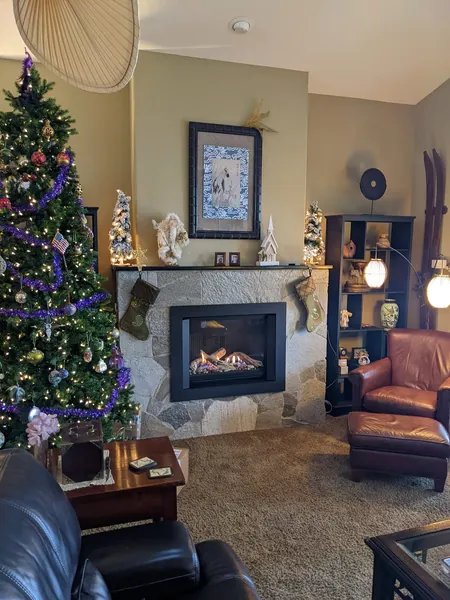
A gas log set installed in an existing approved fireplace may retain the appearance of that opening. A gas insert is a self-contained appliance placed into an existing fireplace with its own venting requirements. A built-in direct-vent gas fireplace can be planned for a different wall or new construction. These are different projects with different manufacturer instructions, connections, clearances, controls, and service needs.
Gas avoids carrying logs and handling wood ash, but it does not eliminate maintenance. A pilot or ignition issue, soot on glass, a damaged vent, or a smell of gas needs appropriate attention. The glass and metal can become hot. The manufacturer may specify annual service steps. Ask how the selected model is vented, what happens during a power outage, and how you will access controls and service parts.
If you have an old wood fireplace, changing to gas may involve work on the chimney, gas line, vent, and finish. A photograph of the room cannot price all of that. If you want a gas unit because the wood flue is damaged, have the underlying chimney condition described in the estimate. A conversion is a designed installation, not simply putting a burner in a firebox.
An electric fireplace can provide a visual effect and, for some models, room heat without burning fuel in the room. It does not require a combustion chimney. That makes it attractive in a room where a vented appliance would be difficult or where the homeowner chiefly wants ambiance.
There are still decisions about the electrical circuit, installation location, clearances to surrounding materials, ventilation of the unit itself, remote controls, and what is permitted for a recessed or wall-mounted model. Follow the manufacturer's instructions and use an appropriate electrician for required electrical work. Do not assume that any decorative unit can be built into an existing firebox or covered by a custom mantel.
If the house has an old chimney that leaks or is structurally unsound, an electric unit does not repair it. You may choose not to use the chimney for fire, but the water and masonry problems still need an independent decision. A good plan accounts for the house, not just the new display.
Imagine a typical cold evening. With wood, you may bring in dry fuel, open a damper, build and tend a fire, and dispose of ashes when cool. With gas, you may operate a control and later arrange model-specific service. With electric, you may switch the effect or heater on and off and maintain the unit according to its manual. These differences can matter more than a showroom demonstration.
Then imagine a problem. Wood smoke entering the room calls for stopping use and checking draft, blockage, appliance, and house conditions. A gas flame producing black soot or a repeatedly failing pilot needs qualified diagnosis. An electric unit that trips a breaker calls for electrical evaluation. Think about who you would call and what the manufacturer can support years later.
Compare full project costs in writing. A wood quote might need liner, hearth, masonry, permit, and roof work. A gas quote may need fuel piping, vent, electrical supply, and finish changes. An electric quote may need a circuit and carpentry. Comparing only the appliance boxes creates a misleading budget.
First, what is the intended role: occasional atmosphere, regular room heat, or something else? No fireplace should be represented as an automatic whole-house heating solution without considering the specific equipment and home.
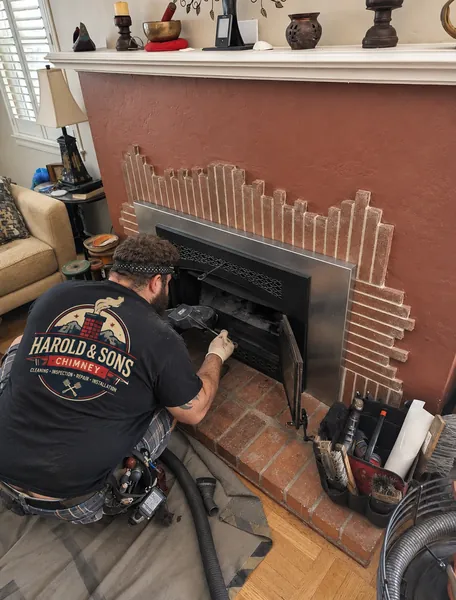
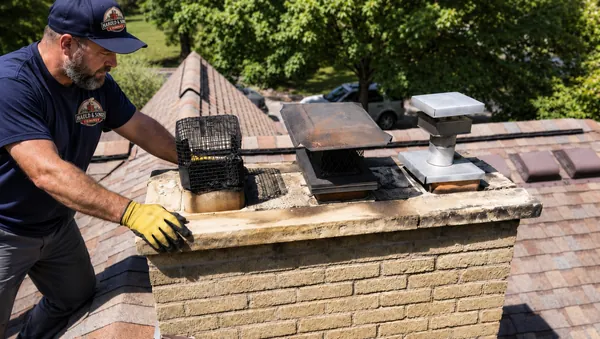
Second, what is already in the wall and chimney? Photograph the existing opening, vent termination, and any model label. Ask for a fireplace inspection if a combustion system is present. An existing hearth may be an advantage or may reveal repairs that belong in the plan.
Third, where will the new appliance vent and what are its required clearances? For wood and gas, the answer comes from the exact model's instructions and the building conditions. An electric unit has a different set of installation requirements. A salesperson's sketch is a starting point, not an approved installation.
Fourth, who will install and sign off on each part? Connecticut has specific occupational licensing scopes for hearth product work. The local building department can explain permits and inspections for the proposed job. Ask the contractor to identify the qualified trades and their responsibilities.
Fifth, what will maintenance look like after the installers leave? Request the exact manual, operating demonstration, warranty paperwork, and a plan for future inspection or service. The product you can easily use and maintain may suit you better than the most dramatic showroom display.
Do not ask a new appliance to cover up an unresolved diagnosis. A rain leak above an old fireplace can continue behind an electric surround. A gas insert still needs a suitable installation in the host fireplace and appropriate venting. A wood insert requires evaluation of the original structure and the new liner route. If a masonry firebox has dropped brick or the flue has cracked tiles, document the condition before considering alternatives.
A professional should distinguish repairs required to make the existing structure sound from the elective appliance upgrade. That gives you a fair comparison: repair and retain, repair and convert, or replace with a different system where feasible. A written scope can state which work is included now and which issues remain for a roofer, mason, gas installer, or electrician.
A showroom can show flame appearance, but the installer needs the dimensions, construction, and existing utilities of your room. A short site visit may rule out a favorite model or reveal a more suitable alternative before money is committed.
In a Stamford apartment with no usable chimney, an electric unit may be a different project from adding a vented gas or wood appliance. In a West Hartford house with a tall masonry stack, an existing flue may look convenient but still require inspection and work before any new combustion product is selected. Neither address alone proves which fuel is right. Photograph the opening, room, roofline or exterior vent, and any model label; then ask the installer to compare complete scopes, including local permits and the correct trades. Connecticut's winter weather also makes it sensible to ask what the exact model does during a power outage. This is a question for the manual and the specific home, not a promise based on fuel type.
Is electric always the cheapest choice? The appliance may be straightforward, but electrical and finish work depend on the room. Compare complete installed scopes.
Will switching to gas eliminate chimney maintenance? It changes the system, but gas appliances and vents still need inspection and service according to their manuals.
Can I use a wood stove in the same flue as another appliance? Do not assume so. Have the proposed venting and current connections evaluated for the actual equipment.
Do I need a permit for a wood insert in Connecticut? Connecticut DEEP advises that wood-burning appliance installations require local building department permits and inspection.
Which option looks most like a real fire? That is a personal preference best judged by viewing specific products in person and checking how they operate, rather than relying on an online photograph.
Harold & Sons Chimney helps homeowners around New Haven and the Stamford-to-Hartford service corridor understand the chimney and fireplace they already have. For a fireplace installation conversation grounded in your house, call 475-270-6677 or use the form below. Tell us the appliance type you are considering and what currently occupies the space.
If this sounds like your situation, these pages explain the work involved.
Keep reading
A gas pilot fails in your Connecticut fireplace? Identify the model and vent route, record the symptom, and le…

Black marks by a gas vent in a Connecticut home need model-specific evaluation. Photograph the vent and learn …
An older gas fireplace in Connecticut may be repairable. Check the model, approved parts, vent route, and comp…
Chimney season is here
Tell us what you’ve seen — a stain, a smell, smoke in the room, or just a flue that hasn’t been checked in years. We start with the problem, not a sales pitch.
475-270-6677